Corner Glass Company
Fused-corner insulating glass

Glass meets glass. No post.

Corner Glass Company builds insulating glass units with a fused, mitered corner. Two walls of glass meet at a clean 90° with one continuous airspace and nothing in the sightline.

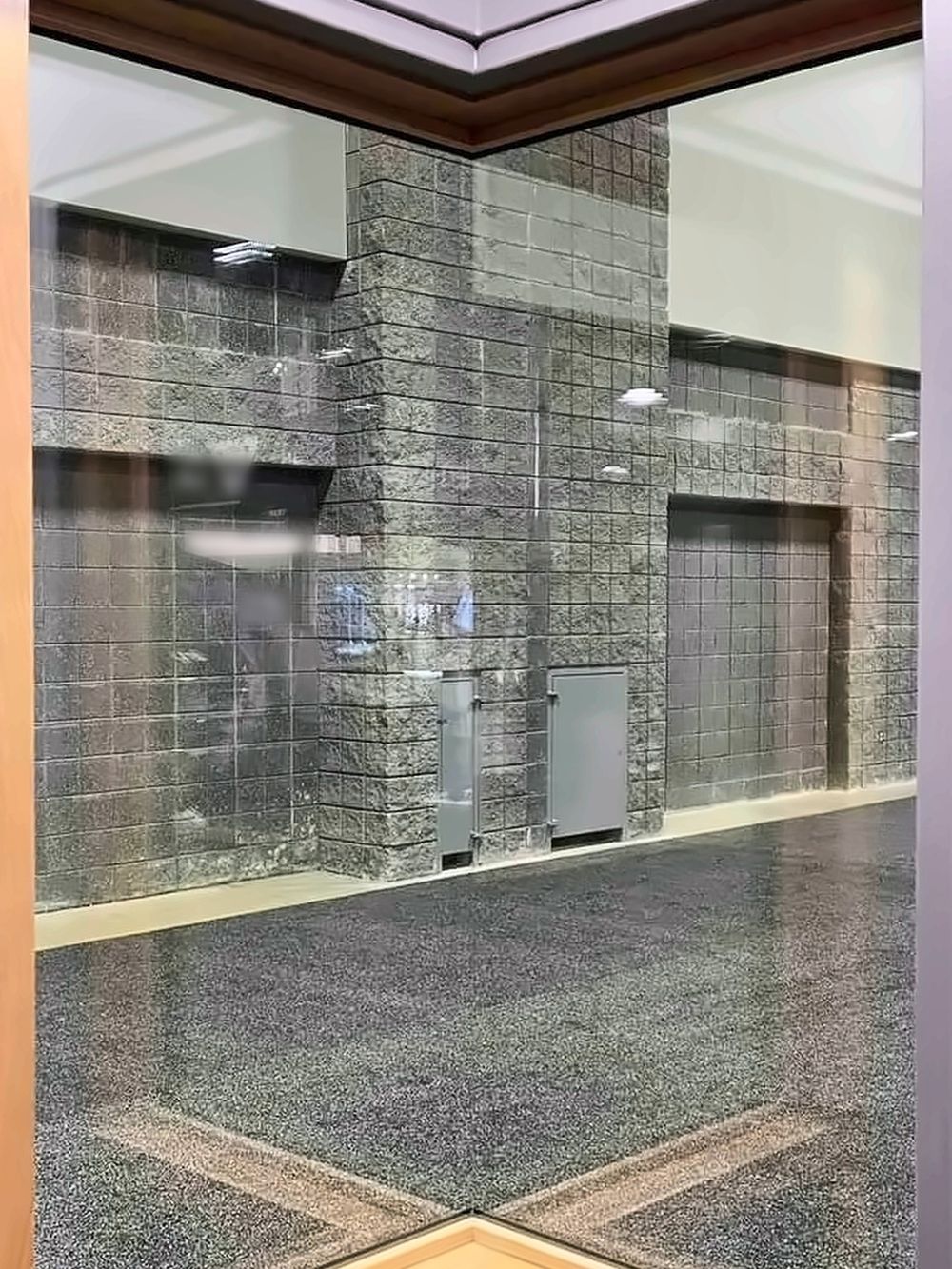
Looking out through a fused glass corner: the two walls of glass meet with no post, and the corner is nearly invisible
Can't see the corner in the glass? That's the point.
How it's built

One unit wraps the corner

A traditional corner window joins two separate windows at a post, with two edge seals and a frame member right where the view should be. A fused corner is a single insulating glass unit bent around the corner by its miters.

  • Fused miters, both panesThe outer lites are bonded glass to glass at a 45° miter, and so are the inner lites.
  • One airspace around the cornerThe gas space runs continuously from one wing to the other.
  • Spacer on the perimeter, not the cornerThe warm-edge spacer runs along the top, bottom, and outer edge of each wing, where your frame covers it. The corner seam has no spacer and no post.
Top-down view of a fused corner insulating glass unit Seen from above. Two glass lites, each mitered and fused at the corner, with one continuous airspace between them and spacers only at the two far ends. OUTSIDE ROOM One airspace wraps the corner Inner lites fused at the miter Outer lites fused at the miter Spacer at the perimeter edges Not to scale TOP-DOWN VIEW
Performance

No condensation at the corner on a 0°F night

On a 0°F night with the house at 70°F and 40% humidity, the post of a traditional corner window drops below the dew point and the corner collects condensation. A fused corner has no post to carry the cold in. Even its coldest point stays above the dew point, so the corner stays dry.

Thermal plot of the fused corner: the room-side glass stays orange, above the dew point, all the way around the corner

Fused glass corner

Corner Glass Company. No post.

47°F

coldest surface facing the room

Dry

Stays dry up to 44% indoor humidity. On a 0°F night most homes run 25 to 40%.

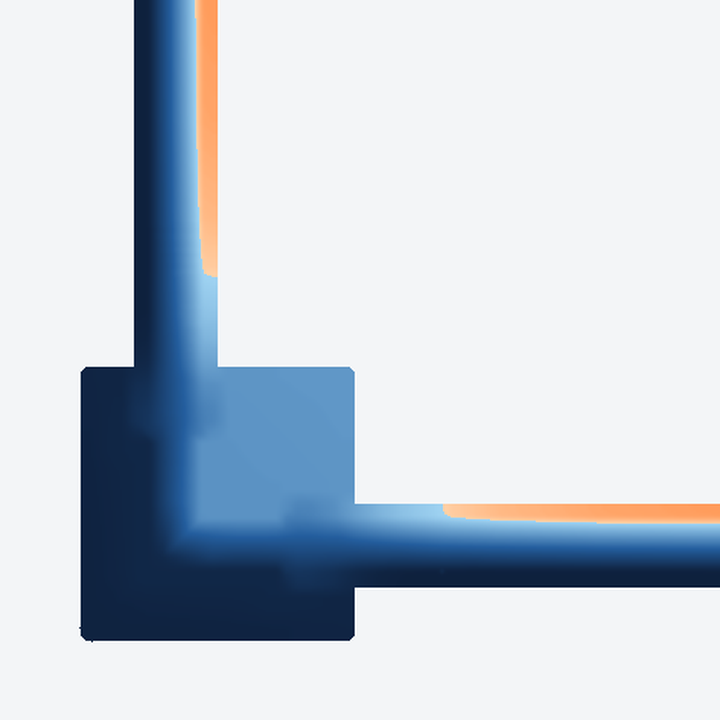
Thermal plot of a traditional corner window with an aluminum post: the post and nearby glass are blue, below the dew point

Traditional corner, aluminum post

Thermally broken aluminum post.

34°F

coldest surface facing the room

Condensation

Condensation starts at 27% indoor humidity, inside the normal winter range.
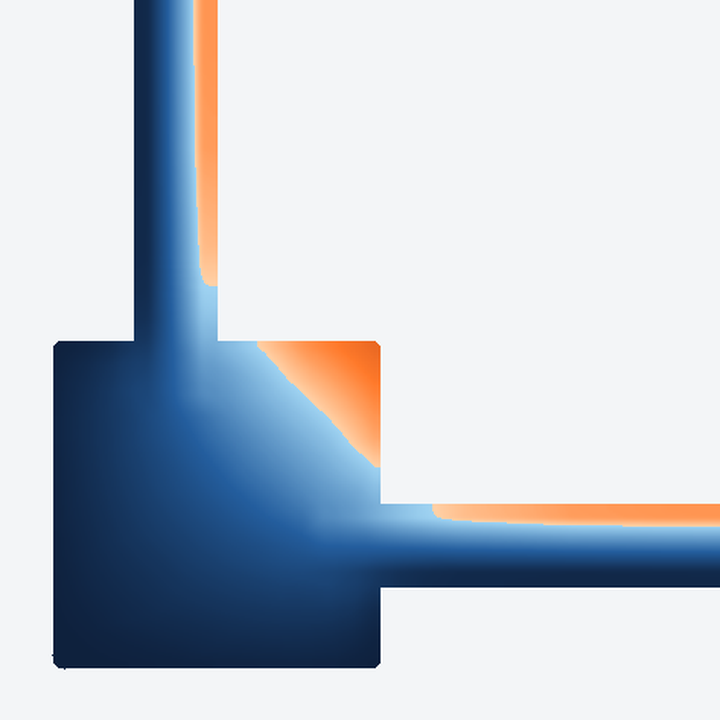
Thermal plot of a traditional corner window with a wood post: the glass beside the post is blue, below the dew point

Traditional corner, wood post

Wood post.

38°F

coldest surface facing the room

Condensation

Condensation starts at 31% indoor humidity, inside the normal winter range.

0°F outside44°F dew point70°F room
Blue is colder than the dew point. Condensation forms there.Orange is warmer. It stays dry.

Two-dimensional heat-transfer model (LBNL THERM) of a horizontal section through the corner at NFRC 100 winter conditions, 0°F outside and 70°F inside. Fused unit: 1/4" low-E glass, 1/2" argon, 1/4" glass. Traditional (mulled) corners: typical residential double glazing with warm-edge spacer. All three plots share one color scale. The dew point shown is for 70°F room air at 40% relative humidity, the top of the 25 to 40% range typical indoors on a 0°F night. Indoor humidity drops in cold weather because cold outdoor air holds little moisture.

Specs

What we build today

You build the frame. We supply the glass unit and work with your engineers on the corner detail.

Configuration
Two-wing insulating glass unit, 90° fused mitered corner
Size
Up to 96" tall, wings up to 36" eachAsymmetric units available when one wing needs to be longer than the other. Wider wings are in development.
Makeup
1" overall: 1/4" glass, 1/2" airspace, 1/4" glass
Coatings
Clear, the full Cardinal low-E lineup, or Pilkington Energy Advantage
Heat treatment
Annealed, heat-strengthened, or tempered
Gas fill
ArgonBreather or capillary tubes available for high-elevation projects.
Spacer
Warm-edge, along the top, bottom, and outer edge of each wingNone at the corner seam.